
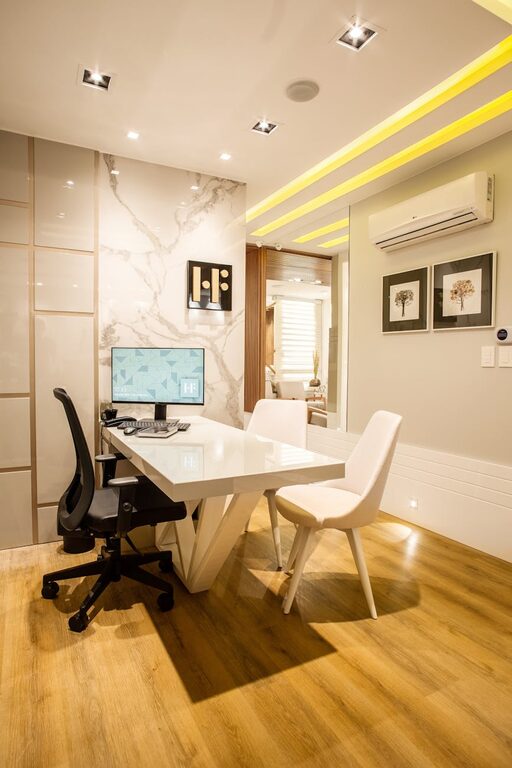
Creating a cozy and inviting home office space is essential for anyone who works from home or spends considerable time on personal projects. A well-designed workspace not only increases productivity but also supports your well-being by making your environment pleasant and comfortable. Whether you have a dedicated room or just a small corner, these tips will help you transform your space into a welcoming and functional home office.
Choose the Right Spot
Start by selecting a location that suits your work style and needs. Ideally, your home office should have:
– Natural Light: A spot near a window helps reduce eye strain and boosts mood.
– Good Ventilation: Fresh air improves comfort and concentration.
– Minimal Distractions: Choose a quiet area away from high-traffic zones if possible.
If space is limited, consider using room dividers or screens to create a distinct workspace.
Invest in Comfortable Furniture
Comfort is key to spending long hours working without fatigue.
– Ergonomic Chair: Choose a chair that supports your lower back and allows for adjustable height. Proper posture reduces discomfort and improves focus.
– Desk Size and Height: Your desk should comfortably fit your equipment and allow you to work without hunching or stretching.
– Additional Seating: If space allows, add a small lounge chair or ottoman for reading or brainstorming sessions.
Personalize with Warm Colors and Textures
Colors and textures affect how cozy a space feels.
– Warm Tones: Soft neutral shades like beige, soft gray, or muted pastels bring warmth without being distracting.
– Textiles: Add cushions, throws, or a soft area rug to introduce texture and comfort.
– Natural Materials: Incorporate wooden furniture or accessories to create a grounded, inviting atmosphere.
Optimize Lighting
Good lighting prevents eye strain and enhances mood.
– Layered Lighting: Use a combination of ambient (overhead), task (desk lamps), and accent lighting.
– Adjustable Lamps: Choose lamps with flexible necks or dimmers to customize light levels.
– Avoid Glare: Position screens and lights to minimize reflections and glare.
Organize with Purpose
Clutter can hurt focus and create stress.
– Storage Solutions: Use shelves, filing cabinets, or baskets to keep essential items tidy and accessible.
– Desk Organizers: Keep pens, papers, and gadgets neatly arranged to maintain a clean surface.
– Cable Management: Use clips or sleeves to keep cords organized and out of sight.
Add Greenery
Indoor plants add life and improve air quality.
– Easy-to-Care Plants: Succulents, snake plants, and pothos thrive with minimal care.
– Placement: Position plants near your desk or on shelves to enjoy their calming effects.
Incorporate Inspiring Elements
A space that motivates you supports productivity.
– Art and Photos: Display artwork or personal photos that uplift your mood.
– Vision Board: Create a board with goals, quotes, or project ideas.
– Whiteboard or Corkboard: Useful for jotting down notes, reminders, or brainstorming.
Manage Noise
Background noise can be distracting, so consider:
– Soundproofing: Add rugs, curtains, or acoustic panels to reduce echo.
– Headphones: Noise-canceling headphones help maintain focus in noisy environments.
– Soothing Sounds: Use white noise machines or calming playlists to enhance concentration.
Maintain Good Air Quality
A fresh environment supports health and productivity.
– Ventilation: Open windows if weather permits.
– Air Purifiers: Consider small air purifiers to reduce allergens.
– Plants: As mentioned, plants contribute to cleaner air.
Keep Technology Efficient and Updated
An efficient workspace includes reliable tech.
– High-Speed Internet: Essential for remote meetings and online work.
– Ergonomic Accessories: Use external keyboards, mice, or monitor stands to enhance comfort.
– Cable Management: Keep cables organized as mentioned above to avoid clutter.
Set Boundaries and Routine
Even the most inviting space won’t help if boundaries are unclear.
– Designate Work Hours: Maintain consistent start and finish times.
– Separate Workspace: Avoid working in your bedroom or couch to mentally separate work and rest.
– Communicate: Inform others in your household about your work schedule and space needs.
—
Final Thoughts
Your home office should be a place that feels both productive and comfortable. With thoughtful furniture choices, smart organization, warm decor, and personal touches, you can build a cozy and inviting workspace that makes working from home a joy rather than a chore. Begin small—make incremental changes—and gradually create a space that reflects your style and supports your work.