
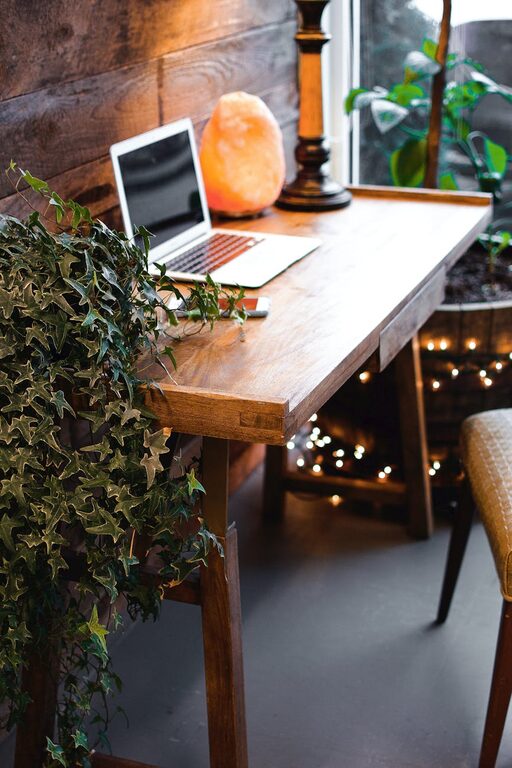
Creating a cozy and productive home office space is essential for anyone working remotely or spending significant time on creative and professional tasks at home. A well-designed workspace can enhance focus, reduce stress, and promote a healthy work-life balance. In this post, we’ll explore practical tips to help you establish a home office that combines comfort and efficiency.
Why a Dedicated Home Office Matters
Before diving into design ideas, let’s consider why having a specific workspace at home is important. A dedicated area separates work from personal life, making it easier to switch on and off mentally. It also helps maintain organization and limits distractions, which can increase productivity.
Choosing the Right Location
Find a Quiet Spot
Pick a location in your home with minimal noise and foot traffic. This could be a spare room, a nook in a bedroom, or an unused corner in the living room. Quiet surroundings support concentration and reduce interruptions.
Consider Natural Light
Natural light positively affects mood and energy levels. Set up your desk near a window if possible, allowing daylight to brighten your workspace. If natural light is limited, use soft, warm artificial lighting to avoid eye strain.
Selecting Comfortable and Functional Furniture
Invest in an Ergonomic Chair
Comfort is key when sitting for long periods. Choose a chair that provides good back support and adjustable features to keep your posture correct.
Opt for a Suitable Desk
Select a desk with enough surface area for your computer, notes, and other essentials. Standing desks or adjustable desks are excellent options if you want to vary your position throughout the day.
Organizing Your Workspace
Declutter Regularly
Keep your desk tidy by removing unnecessary items daily. A clean area can enhance your focus and reduce stress.
Use Storage Solutions
Incorporate shelves, drawers, or baskets to store office supplies, documents, and personal items. Having an organized space saves time and keeps important materials within reach.
Cable Management
Manage headphone wires, chargers, and computer cables using clips, sleeves, or trays. Organized cables prevent tangling and maintain a neat appearance.
Adding Personal and Cozy Touches
Choose Calming Colors
Select soothing colors like soft blues, greens, or neutrals. These shades can create a relaxing environment that encourages sustained work without feeling sterile.
Add Plants
Greenery can improve air quality and give your workspace a refreshing vibe. Small potted plants or succulents are low-maintenance additions.
Incorporate Comfortable Textiles
Consider adding a cushion to your chair or a cozy rug underfoot. These touches add warmth and comfort to your office without taking up much space.
Boosting Productivity and Focus
Minimize Distractions
Limit access to TVs, noisy appliances, or high-traffic areas. Consider noise-canceling headphones if you live in a busy home environment.
Use Task Lighting
Supplement overhead lighting with a desk lamp focused on your tasks. Good lighting reduces eye strain and helps maintain alertness.
Set Boundaries
Communicate your work hours to family or housemates to minimize interruptions. Establish rules like “do not disturb” signs or closed doors to signal focused work time.
Incorporate Technology Wisely
Invest in Reliable Equipment
Ensure you have a dependable computer, fast internet connection, and any other tech gadgets needed to perform your work efficiently.
Use Productivity Tools
Applications like digital calendars, task managers, and note-taking apps can keep you organized and on schedule.
Take Regular Breaks and Move
Sitting too long can impact health and reduce focus. Set reminders to stand up, stretch, or take short walks to refresh your mind and body.
Final Thoughts
Designing a cozy and productive home office is about balancing comfort with functionality. By choosing the right location, investing in ergonomic furniture, organizing thoughtfully, and adding personal touches, you can create a space that inspires you to work effectively while feeling relaxed. Remember that your home office should evolve with your needs, so don’t hesitate to update it as you find what works best for you.